


A lost Kaninchen Dachshund may not come to you even when you call their name.
If they are naturally cautious or have been chased by people multiple times, they may run away even when you approaches.
In that case, call their name in a calm voice from a distance to help them recognize you, then slowly approach to bring them to safety.
If they remain too wary to approach, try establishing a feeding routine to keep them in the area and gradually reduce their fear before attempting to bring them in.
If you still can’t get close even after feeding, use a trap to safely capture them.
We hope you and your dog will be safely reunited soon.
When you find your dog, watch out for traffic and approach them slowly to bring them to safety.
What You’ll Need: your dog’s favorite treats, toys, leash
1. Don’t Shout Their Name or Chase Them
When you spot your Lost Dog, shouting their name and rushing toward them may cause them to panic and run away. They may be startled by your unusual behavior or may have become more cautious due to the stress of being separated from you. Instead of running up to them, call their name in a calm, familiar voice from a distance to help them recognize you. Once they seem to acknowledge you, slowly approach to bring them to safety.
2. If They Mistake It for Play
In some cases―especially right after they’ve gone missing―dogs may misinterpret being chased as play and run off even farther. If this happens, don’t pursue them. Instead, take a few steps back while calling them to encourage them to come toward you.
3. Traffic Hazards
One of the most critical safety concerns when calling your dog back is traffic. If you see your dog across a road, always check for oncoming cars before calling them. Never call them when vehicles are passing through, as they may run straight into the road without looking, which is extremely dangerous.
4. Once You’ve Caught Them
Once you’ve safely recovered them, check that their collar is secure. They may have lost weight and the collar might now slip off easily. If so, tighten the collar before attaching the leash. If your dog seems excited, put a harness on them and use a double leash setup to prevent them from escaping again.
If they remain too wary to approach, try establishing a feeding routine to keep them in the area and gradually reduce their fear before attempting to bring them in.
What You’ll Need: dog food, trail camera
If you’ve located your dog but they run away when approached, try establishing a feeding routine.
Place food at the same time and in the same spot every day. After setting out the food, leave the area to avoid alarming your dog, and monitor the feeding spot with a trail camera.
Once your dog becomes comfortable eating at the site, you can attempt to bring them to safety by calling them. From a distance, call their name in a calm and familiar voice to help them recognize you. Once they respond, slowly and gently approach to secure them.
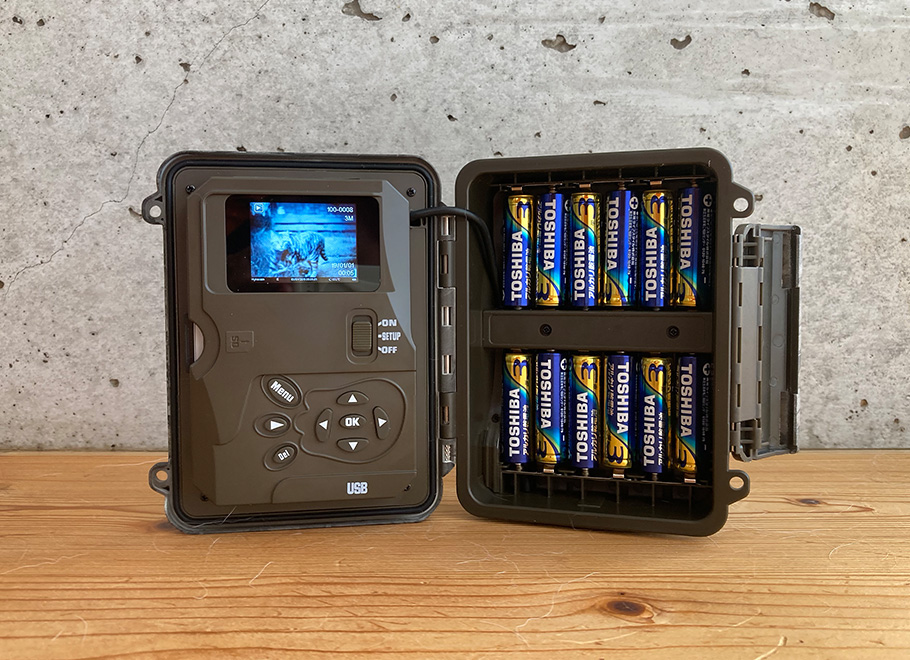
Note: Trail camera setup procedures may vary depending on the model, so please refer to the user manual for detailed instructions.
1. Camera Settings
- Video: 2-minute recording duration, sound on
- Motion sensor sensitivity: Medium
2. Camera Placement
Position the trail camera about 1–2 meters (3–6 feet) away from the food or Trap Cage. Some cameras may overexpose the image at night if placed too close, making the dog appear completely white. Be sure to test the camera distance in advance to avoid overexposure at night.
3. Getting Permission
If placing the camera on someone else’s property or at a feeding spot, always obtain permission beforehand.
Label the camera with the purpose, installation period, and your contact information.
4. Theft Prevention
If setting up in a public area, place the camera somewhere less noticeable―such as tucked into a bush or behind an object.
We also recommend using a lockable cable to secure it to a post or other fixture.
Trail Camera: Cat Approaches Trap Cage
There are various types of dog traps designed for capturing stray dogs, but many of them are difficult to use without professional experience and may pose a risk of injury to the dog.
Instead, we’ll show you how to make and use a circle trap using a commercially available enclosed dog playpen to safely capture your dog.
If your dog keeps coming to eat at the same time and place every day but cannot be captured by hand, it may be time to use a trap.
While there are traps specifically designed for capturing feral dogs, they are not commercially available due to their specialized nature.
Instead, we’ll show you how to make and use a circle trap using a commercially available enclosed dog playpen.
1. How to Make a Circle Trap
Materials Needed: Enclosed dog playpen with a roof, 2 door latches, 4 cable ties, 2 pieces of cardboard, approx. 20 meters of polyethylene rope, snap hook
1.1 Attach the Door Latches
- Insert a slightly thicker piece of cardboard between each door latch and the wire mesh of the playpen.
- Secure the latches firmly with cable ties. Once the latches are attached, the door will lock shut and cannot be opened from the inside.
1.2 Attach the Rope to the Door
- Tie the polyethylene rope to the snap hook.
- Hook the snap hook onto the door.
- Thread the rope from inside the circle trap to the outside.

2. Practice Before Use
Practice pulling the rope quickly to shut the door.
Even slight movement or shaking of the playpen can cause the dog to run out immediately.
To prevent this, practice until you can pull the rope in one swift motion and close the door instantly.
3. How to Use the Circle Trap
3.1 Open the Door
Open the playpen door, but not too wide.
If the door is opened too far, the rope may not be able to close it properly when pulled.
3.2 Place the Food
- To guide your dog deep into the playpen, place small amounts of food in three spots: slightly away from the entrance, near the entrance, and in the center.
- Place a generous amount of their favorite food at the very back of the playpen.
- Placing a blanket or bedding with your dog’s scent inside the playpen can also help them feel more comfortable.
3.3 Wait in Hiding
- Hide quietly at a distance from the trap and wait for your dog to arrive.
- When your dog appears, hold the rope taut and wait patiently until they walk deep into the playpen.

3.4 Pull the Rope Quickly
Once your dog reaches the back of the playpen and starts eating, quickly pull the rope to shut the door.
4. If Your Dog Won’t Enter the Circle Trap
4.1 If Your Dog Is Afraid of the Trap
If your dog seems wary of the playpen, try covering it with a camouflage net or similar material to make it less noticeable.
4.2 If Your Dog Is Afraid of People
- If your dog is avoiding the trap due to sensing human presence, begin feeding them inside the trap to help them get used to it.
- After placing the food, leave the area and monitor their behavior using a trail camera.
- Cautious dogs won’t enter the trap unless they’re hungry. Do not leave any other food around the trap.
- Once your dog begins entering the trap to eat, wait nearby and pull the rope at the right moment to trap them safely.
Note: Trail camera setup procedures may vary depending on the model, so please refer to the user manual for detailed instructions.
1. Camera Settings
- Video: 2-minute recording duration, sound on
- Motion sensor sensitivity: Medium
2. Camera Placement
Position the trail camera about 1–2 meters (3–6 feet) away from the food or Trap Cage. Some cameras may overexpose the image at night if placed too close, making the dog appear completely white. Be sure to test the camera distance in advance to avoid overexposure at night.
3. Getting Permission
If placing the camera on someone else’s property or at a feeding spot, always obtain permission beforehand.
Label the camera with the purpose, installation period, and your contact information.
4. Theft Prevention
If setting up in a public area, place the camera somewhere less noticeable―such as tucked into a bush or behind an object.
We also recommend using a lockable cable to secure it to a post or other fixture.
Trail Camera: Cat Approaches Trap Cage
When you recover your lost dog, take them to a veterinary clinic as soon as possible to ensure they receive any necessary medical care.
1. If You Recover Your Dog at Night
If your dog is injured or severely weakened, take them to a 24-hour emergency animal hospital for immediate care.
2. Their First Meal
In some cases, dogs may not have eaten anything for several days. If they are severely underweight, offer easily digestible food―such as softened dry food or wet food―to avoid putting strain on their stomach.
3. Even If They Seem Fine
Even if your dog appears to be in good condition, take them to your regular veterinarian for a check-up. Ask the vet to examine them for dehydration, external injuries, dental or claw damage, fleas, ticks, parasites, and signs of infection.
4. If They Were Bitten in a Fight
If your dog was bitten in a fight, swelling or infection may not appear until a few days later. Monitor their condition closely, and if you notice any swelling or pus, bring them to the vet immediately.
5. If You Were Bitten or Scratched During Capture
If you were bitten or scratched while capturing your dog, there may be a risk of infection. Rinse the wound thoroughly under running water right away. If swelling or other symptoms develop, seek medical attention without delay.
Once your lost dog has safely returned home, please take the time to let everyone who provided sightings or helped with the search know, and thank them for their support.
If you posted Lost Dog Flyers with permission, attach a note that says "Found" and take them down after about 3 days. Many people in your community were likely concerned and hoping for a happy outcome.
Notify any places where you filed a lost report―such as the local police station, animal control center, public works department (road cleaning division), and veterinary clinics―that your dog has been found.
We’re so glad your dog is home safe.
Here’s to many more happy moments with your beloved dog by your side!
A trail camera is a motion-activated device designed to automatically capture photos and videos of wildlife outdoors. It works both during the day and at night.
When an animal―such as a dog―comes near, the camera detects the movement and records images or video accordingly.
Trail cameras are battery-operated, waterproof, and store the captured footage on an internal memory card.
These cameras are especially useful for checking whether your missing dog is coming to eat the food you’ve left out or for monitoring activity around a Trap Cage.
Because they operate silently and without revealing any human presence, they provide continuous overnight surveillance―making them a highly effective tool in the search for a lost dog.


